Blog ·
Is Your Home Ready for Solar? A Homeowner's Evaluation Guide
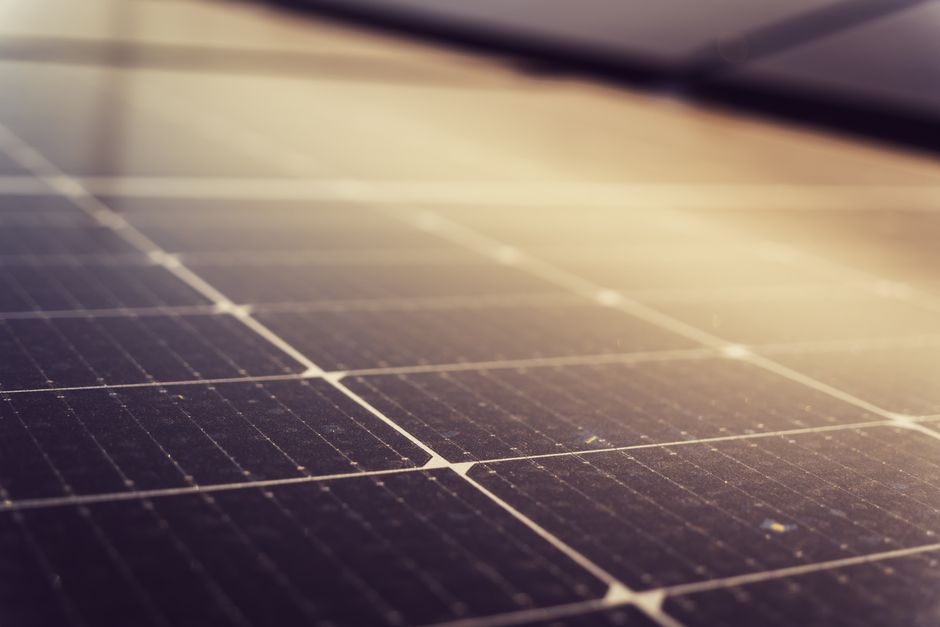
Before installing solar panels on your residential property, it's important to understand whether your home is a good candidate for a solar energy system. Several key factors determine how effectively solar panels will generate electricity for your household.
Assess Your Roof's Condition and Orientation
Your roof is the foundation of a successful solar installation. Examine your roof's age, material, and structural integrity. Asphalt shingle roofs typically last 20–25 years, while metal and tile roofs can last longer. If your roof needs replacement within the next five to ten years, it's wise to address that before installing solar panels.
The orientation and pitch of your roof also matter significantly. South-facing roofs receive the most consistent sunlight throughout the day, making them ideal for solar installation. East and west-facing roofs can work well too, though they may generate slightly less energy. Your installation professional can evaluate your specific roof's potential during a site assessment.
Check for Shade and Obstructions
Trees, buildings, and other structures that cast shadows on your roof during peak sun hours will reduce your solar system's efficiency. Walk around your property during midday and observe which areas remain in direct sunlight. If significant shade covers your roof for extended periods, solar may not be the best fit, or you may need adjustments to your system design.
Review Your Electrical System
Your home's electrical panel and wiring should be in good condition to support a solar installation. An outdated electrical system may require upgrades before installation can proceed. A qualified solar installer will inspect your electrical setup and identify any necessary improvements.
Evaluate Your Energy Usage
Understanding your household's energy consumption helps determine the appropriate size of your solar system. Review your electricity bills from the past year to see your average monthly usage. This information allows your solar provider to design a system that meets your actual energy needs.
Consider Property and Local Factors
Your property size matters—solar panels require adequate space on your roof. Additionally, local climate patterns, seasonal weather, and your area's average sunshine hours affect system performance. Geographic location plays a role in how much energy your panels will produce annually.
Finally, check local zoning regulations and homeowners association rules. Some properties have restrictions on solar installations, and understanding these requirements early in the process prevents delays.
A professional solar assessment provides detailed insights into your home's solar potential. This evaluation examines all these factors and delivers realistic expectations about energy production and system performance. Contact a residential solar installer to schedule a consultation and determine whether solar is right for your home.