Blog ·
Monocrystalline vs. Polycrystalline Solar Panels: Which Is Right for Your Home?
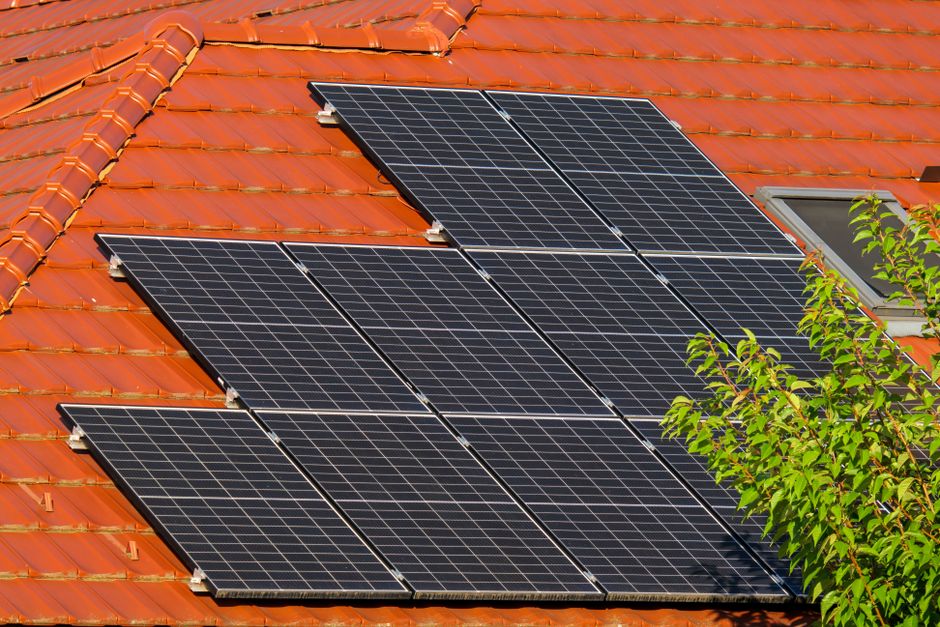
When you're considering a transition to solar energy, selecting the right panels is one of the most important decisions you'll make. At Duant Spark, we guide homeowners through this choice every day. Many of our customers ask about the differences between monocrystalline and polycrystalline solar panels. Understanding these options is essential before we begin your Custom Photovoltaic Design.
Monocrystalline Panels Explained
Monocrystalline panels are manufactured from a single silicon crystal. The manufacturing process involves melting pure silicon and forming it into one large crystal, which is then sliced into thin wafers. This creates solar cells with a distinctive dark appearance and rounded edges where the crystal has been cut.
The key advantage of monocrystalline technology is higher efficiency. These panels typically achieve efficiency rates between 17 and 22 percent, meaning they convert more sunlight into electricity within a smaller footprint. If your home has limited roof space or you want maximum energy production, monocrystalline panels deliver superior performance.
Polycrystalline Panels: A Practical Alternative
Polycrystalline panels take a different manufacturing approach. Instead of one pure crystal, multiple silicon crystals are melted together, creating a panel with a bluish tint and visible crystalline patterns across the surface. This process is more straightforward to manufacture, which influences the overall cost.
While polycrystalline panels typically have slightly lower efficiency rates—usually between 15 and 17 percent—they remain a dependable choice for residential installations. They still generate substantial energy and perform well for homeowners across various climates.
Temperature Performance Matters
One critical factor to consider is how each panel type responds to temperature. Monocrystalline panels maintain better efficiency in hot conditions, though all solar panels produce less electricity when temperatures rise. Polycrystalline panels may experience more noticeable efficiency losses during extreme heat.
Durability and Longevity
Both panel types are built to last and perform well over many years. Modern solar panels, whether monocrystalline or polycrystalline, come with manufacturer warranties and are designed for decades of reliable operation. During our System Monitoring and Maintenance services, we ensure your installation continues operating at peak performance.
Your Custom Design Solution
The best panel choice depends on your specific situation. During our Professional Solar Installation process, we assess your roof space, local climate, energy consumption patterns, and financial considerations. We'll recommend the technology that serves your home best.
Both monocrystalline and polycrystalline panels represent proven, reliable technology for reducing your electricity costs and environmental impact. Let Duant Spark help you determine which option aligns perfectly with your solar journey.